
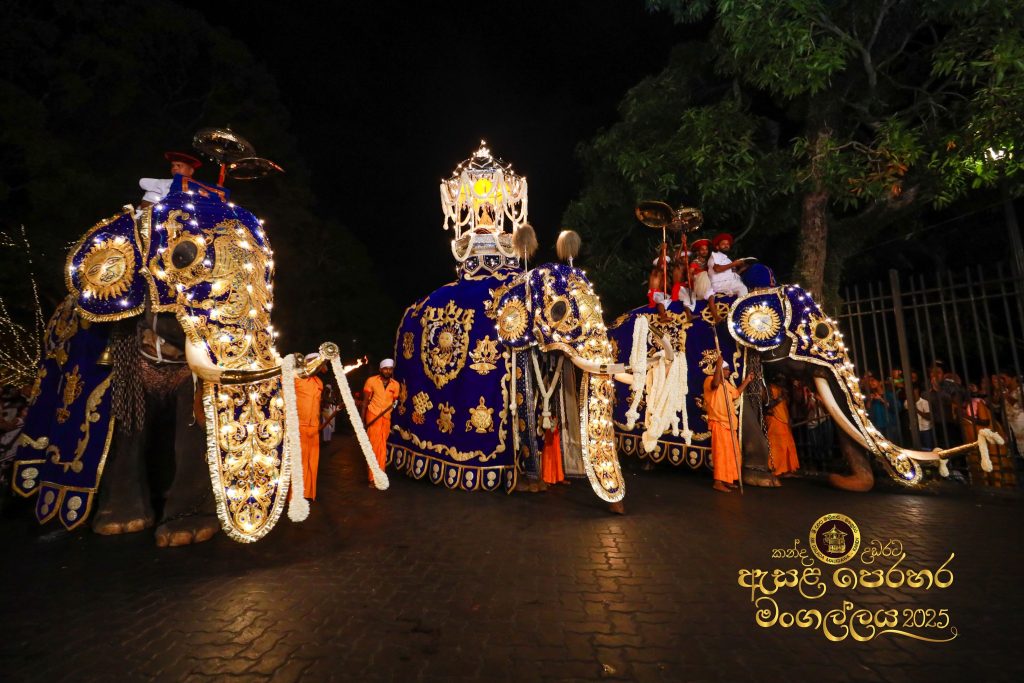
මහනුවර ඇසළ පෙරහැරේ දීර්ඝ ඉතිහාසය, එහි පරිණාමය සහ සංස්කෘතික පසුබිම පිළිබඳව ඉතා ගැඹුරු විස්තරයක් මෙන්න. මෙය ඔබේ වෙබ් අඩවියේ "History" හෝ "Heritage" පිටුව සඳහා ඉතා උචිත පරිදි සකසා ඇත.
ඓතිහාසික මහනුවර ඇසළ මහා පෙරහැර මංගල්යයේ සම්පූර්ණ ඉතිහාසය
මහනුවර ඇසළ පෙරහැර යනු ශ්රී ලාංකීය අනන්යතාවය ලොවට විදහා දක්වන විශාලතම සහ අභිමානවත්ම සංස්කෘතික මංගල්යයයි. මෙය හුදෙක් උත්සවයක් පමණක් නොව, ශතවර්ෂ ගණනාවක් පුරා රැකගෙන ආ ආගමික, දේශපාලනික සහ සංස්කෘතික සිරිත් විරිත් සමුදායක එකතුවකි.
1. ආරම්භය: අනුරාධපුර යුගය සහ දන්ත ධාතු සම්ප්රාප්තිය
පෙරහැරේ මූලාරම්භය ක්රි.ව. 4 වන සියවස දක්වා දිවයයි.
ක්රි.ව. 310 දී: ඉන්දියාවේ කාලිංග දේශයේ ගුහසීව රජු සිය දියණිය වූ හේමමාලා කුමරිය සහ බෑණනුවන් වූ දන්ත කුමරු අත දන්ත ධාතූන් වහන්සේ ලංකාවට එවනු ලැබුවේ ඉන්දියාවේ පැවති යුද්ධ වලින් එය ආරක්ෂා කරගැනීම සඳහාය.
කිත්සිරිමෙවන් රජු: එකල අනුරාධපුරයේ පාලකයා වූ කීර්ති ශ්රී මේඝවර්ණ රජු දන්ත ධාතූන් වහන්සේ මහත් හරසරින් පිළිගෙන, වසරකට වරක් දන්ත ධාතූන් වහන්සේ ප්රසිද්ධියේ ප්රදර්ශනය කරමින් පෙරහැරක් පැවැත්විය යුතු බවට අණ කළේය. මෙය මුල් කාලීනව "දළදා පෙරහැර" ලෙස හැඳින්විණි.
2. මධ්යතන යුගය: රාජ්යත්වයේ සංකේතය
ලංකාවේ අගනුවර අනුරාධපුරයෙන් පොලොන්නරුවටත්, පසුව දඹදෙණිය, යාපහුව, කුරුණෑගල සහ කෝට්ටේ දක්වාත් මාරු වන සෑම අවස්ථාවකම දන්ත ධාතූන් වහන්සේ ආරක්ෂා කිරීම සහ පෙරහැර පැවැත්වීම රජුගේ ප්රධානතම වගකීම විය. යමෙකුට දන්ත ධාතූන් වහන්සේගේ අයිතිය තිබේද, ඔහු ලංකාවේ නීත්යානුකූල රජු ලෙස ජනතාව පිළිගත්තේය.
3. සතර මහා දේවාලයන්හි බලපෑම
බුදුදහම පැමිණීමට පෙර සිටම ලංකාවේ "ඇසළ උත්සවය" පවත්වා ඇත. එය මූලිකවම දෙවියන් උදෙසා කෙරුණු පූජාවකි.
වැසි ලබාගැනීම, රෝග පීඩා දුරු කිරීම සහ කෘෂිකර්මාන්තය සාර්ථක කරගැනීම සඳහා නාථ, විෂ්ණු, කතරගම සහ පත්තිනි යන දේවාල මුල් කරගෙන මෙම පෙරහැර පැවැත්විණි.
ඇසළ මාසයේ සිදු කරන මෙම දේව පූජාව "ඇසළ පෙරහැර" ලෙස නම් විය.
4. මහනුවර යුගය සහ වර්තමාන ස්වරූපය (පෙරළිය සිදු වූ තැන)
අද අප දකින අයුරින් දළදා පෙරහැර සහ දේවාල පෙරහැරවල් පහම එකට එක් වූයේ මහනුවර යුගයේදීය.
කීර්ති ශ්රී රාජසිංහ රජු (1747-1782): එකල ලංකාවේ බුදුදහම පරිහානියට පත්ව තිබූ බැවින්, රජු සියම් දේශයෙන් (තායිලන්තය) උපාලි හිමියන් ඇතුළු භික්ෂූන් වහන්සේලා ලංකාවට ගෙන්වා උපසම්පදාව නැවත ඇති කළේය.
එක් කිරීම: උපාලි හිමියන්ගේ උපදෙස් පරිදි, රජතුමා තනිකරම දේව පූජාවක් ලෙස පැවති ඇසළ පෙරහැරට දළදා මාලිගාවේ පෙරහැරත් එක් කළේය. එහිදී බුදුන් වහන්සේට ප්රමුඛත්වය ලබා දීම සඳහා දළදා මාලිගාවේ පෙරහැර අනෙක් පෙරහැරවල් හතරටම ඉදිරියෙන් ගමන් කරවීමට තීරණය විය.
පෙරහැරේ ප්රධාන අදියර 4
මෙම මහා මංගල්යය දින ගණනාවක් පුරා විහිදී යයි:
කැපේ සිටුවීම (Kap Situweema): ජන වහරට අනුව, කිරි ගසක කඳක් (කොස් හෝ රුක් අත්තන) ගෙන සතර මහා දේවාල වල සිටුවීමෙන් පෙරහැරේ නිල ආරම්භය සිදු වේ. මෙය වැසි ලබාගැනීමේ පැරණි චාරිත්රයකි.
කුඹල් පෙරහැර (Kumbal Perahera): දින පහක් පුරා පැවැත්වේ. මෙහිදී පෙරහැර වීදි සංචාරය කළද අලි ඇතුන් සහ නර්තන ශිල්පීන් සීමිත ප්රමාණයක් සහභාගී වේ. දළදා කරඬුව වැඩම කරවන්නේ දළදා මාලිගාවේ පෙරහැරේ පමණි.
රන්දෝලි පෙරහැර (Randoli Perahera): මෙය වඩාත් උත්කර්ෂවත් අදියරයි. දින පහක් පැවැත්වේ. මෙහිදී පෙරහැරේ රජුගේ අගබිසව ගමන් කළ රන්දෝලි (පල්ලක්කි) ප්රදර්ශනය කෙරේ. අවසන් රන්දෝලි පෙරහැරේදී සියලුම අලි ඇතුන් සහ නර්තන කණ්ඩායම් සහභාගී වේ.
දිය කැපීමේ මංගල්යය (Diya Kepeema): අවසන් රන්දෝලි පෙරහැරෙන් පසු දා උදෑසන ගැටඹේ තොටේදී දිය කැපීමේ චාරිත්රය සිදු වේ. ඉන්පසු දහවල් පෙරහැර පවත්වා මාලිගාවට ගෙවදීමෙන් මංගල්යය නිම වේ.
සංස්කෘතික වැදගත්කම
මහනුවර ඇසළ පෙරහැර යනු ශ්රී ලාංකීය නර්තන ශිල්ප ක්රම (උඩරට නැටුම්), බෙර වාදන, හීලෑ අලි ඇතුන් පාලනය සහ පාරම්පරික ඇඳුම් ආයිත්තම් ලොවටම ප්රදර්ශනය කරන කලාගාරයකි. මෙය ශ්රී ලාංකික බෞද්ධයන්ගේ පමණක් නොව, මුළු මහත් ජාතියේම සංස්කෘතික උරුමයකි.
The Grand History of the Historic Kandy Esala Perahera
The Kandy Esala Perahera is the largest and most prestigious cultural pageant in Sri Lanka, showcasing the nation's identity to the world. It is far more than just a festival; it is a profound fusion of religious, political, and cultural traditions preserved meticulously over centuries.
1. The Origins: Anuradhapura Era and the Arrival of the Sacred Tooth Relic
The roots of the Perahera trace back to the 4th century AD.
310 AD: During the reign of King Guhasiva of Kalinga, India, Princess Hemamala and Prince Dantha brought the Sacred Tooth Relic to Sri Lanka to protect it from being destroyed during wars in India.
King Kirthi Sri Meghavarna: The then-ruler of Anuradhapura received the Relic with great honor and decreed that it should be taken in a public procession once a year for the people to venerate. This was initially known as the "Dalada Perahera."
2. The Medieval Period: Symbol of Sovereignty
As the capital of Sri Lanka shifted from Anuradhapura to Polonnaruwa, and subsequently to Dambadeniya, Yapahuwa, Kurunegala, and Kotte, the protection of the Tooth Relic remained the King’s primary responsibility. Possession of the Sacred Relic became a symbol of the right to rule; the people accepted only the guardian of the Relic as the legitimate King of the nation.
3. The Influence of the Four Great Devalas (Shrines)
Long before the arrival of the Tooth Relic, the "Esala Festival" existed in Sri Lanka as a ritual to the gods.
Processions were held by the four main shrines—Natha, Vishnu, Katharagama, and Pattini—to pray for rain, the eradication of diseases, and a successful harvest.
These rituals, performed during the month of Esala (July/August), became known as the "Esala Perahera."
4. The Kandyan Era: The Modern Evolution
The Perahera as we see it today, where the Dalada Perahera and the four Devala Peraheras unite, was established during the Kandyan Kingdom.
King Kirthi Sri Rajasinghe (1747-1782): During a period when Buddhism had faced a decline, the King invited Upali Thero and a delegation of monks from Siam (Thailand) to restore higher ordination (Upasampada).
The Unification: Upon the advice of Upali Thero, the King integrated the Dalada Perahera (which was purely Buddhist) with the four Devala Peraheras (which were dedicated to deities). To grant supremacy to Lord Buddha, it was decided that the Dalada Maligawa procession would lead the other four.
The 4 Main Stages of the Perahera
This grand festival unfolds over several days through specific stages:
Kap Situweema (Planting of the 'Kap'): The official commencement where a sanctified log (usually from a Jackfruit or Ruk Attana tree) is planted in each of the four Devalas. This is an ancient ritual to invoke blessings for rain and prosperity.
Kumbal Perahera: Held for five consecutive nights. While it is a vibrant street procession, it is smaller in scale compared to the final nights. Only the Dalada Maligawa procession carries the casket during this stage.
Randoli Perahera: The most magnificent stage, lasting five nights. It is named after the Randoli (golden palanquins) in which the King's consorts used to travel. The final night, the Maha Randoli Perahera, is the grandest spectacle, featuring the maximum number of elephants and dancers.
Diya Kepeema (Water Cutting Ceremony): On the morning following the final Randoli Perahera, a water-cutting ritual is performed at the Getambe ferry. This is followed by a Day Perahera that returns to the Maligawa, marking the official end of the festival.
Cultural Significance
The Kandy Esala Perahera serves as a living museum of Sri Lankan performing arts, including Kandyan dancing, traditional drumming, and the majestic parade of domesticated elephants. It is a masterpiece of traditional attire and ancient craftsmanship, standing as a heritage not just for Buddhists, but for the entire nation and the world.